Wisconsin Governor's Cybersecurity Summit 2026

Overview
The Wisconsin Governor’s Cybersecurity Summit is where the state’s cyber strategy takes shape.
For more than a decade, Wisconsin has led with a proactive, collaborative approach to protecting its digital infrastructure. This Summit offers focused, practical content built around real incidents, lessons learned, and proven solutions. Attendees hear directly from state leadership, military and emergency management partners, CIOs, CISOs, and industry experts on the issues most critical to Wisconsin’s cybersecurity posture. This summit equips leaders at every level to work smarter, respond faster, and defend the systems residents depend on every day. Protecting Wisconsin isn't just IT work; it’s public service. Join the partners across the state who are making security stronger, safer, and more resilient!
Participants gain:
- Actionable tactics to reduce cyber risk
- Case studies and best practices from Wisconsin agencies and local governments
- Threat intelligence from public and private sector experts
- Networking with security peers and regional partners
- Tools to better protect communities, services, and critical systems
I look forward to joining fellow SLTT leaders in Appleton for the 2026 Wisconsin Governor's Cybersecurity Summit. Our shared commitment to protecting Wisconsin can deliver secure by design infrastructure adaptable to new challenges. By prioritizing automation and retiring legacy risks, we empower our workforce with greater speed and security. This gathering is a vital step in our effort to build a resilient Wisconsin that serves everyone.
– Bill Brinkley, State Chief Information Security Officer & Director, Wisconsin Department of Administration
Technology is an important part of our lives in the 21st Century, so Wisconsin’s cyber infrastructure is part of almost everything that we do, which makes cybersecurity absolutely critical. With the rapidly evolving digital landscape, we must ensure we have safeguards in place to protect Wisconsin’s kids, families, seniors, and communities as we work to strengthen our cybersecurity. This summit is a key part of our work to do just that and ensure Wisconsin’s cyber infrastructure remains resilient and secure.
– Tony Evers, Governor, State of Wisconsin
Speakers










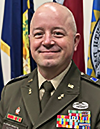
Matthew T. Hipp

Manager-Service Parts and Supply Chain at Pierce Manufacturing/ Chief Warrant Officer 3/ Master of Ceremonies
In addition to his corporate leadership experience, Matt is a Chief Warrant Officer 3 in the Wisconsin Army National Guard, where he serves as a primary instructor for the Warrant Officer Academy and regularly speaks at large-scale events. He also works as a freelance Master of Ceremonies and officiant, supporting nonprofit fundraisers, formal military ceremonies, and weddings, where he brings a professional, engaging presence to a wide range of audiences.

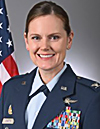




Jennifer Mueller
Chief Information Security Officer, Department of Health Services, State of Wisconsin





Conner Simon
Information Technology Director, Vernon County
Known for streamlining processes and implementing future-ready strategies, Conner has led successful projects including Microsoft 365 migrations, virtualized infrastructure, cloud-based services, and enterprise printing solutions. His approach balances technical expertise with creative problem-solving, positioning Vernon County for sustainable growth.
Beyond his professional work, Conner enjoys cycling, hiking, skiing, and exploring local culinary experiences. He also brings technology to life through animated commercial lighting displays, blending innovation with artistry. Passionate about pushing boundaries, Conner thrives on finding smarter solutions and leading teams toward meaningful technological impact.




Liping Zhang
Information Security Manager, Bureau of Information Technology Services, Department of Workforce Development, State of Wisconsin
Throughout her career, Liping has led initiatives in security governance, vulnerability management, regulatory compliance, and cybersecurity incident response. She works closely with executive leadership to align cybersecurity programs with organizational goals while ensuring compliance with industry standards and regulatory frameworks such as NIST, IRS, and SOC 2.
In addition to managing technical security controls, Liping prioritizes security awareness training, phishing simulation campaign, and cross-department collaboration to foster a culture of accountability and proactive risk mitigation. She holds professional certifications including CISSP and GSTRT, demonstrating a commitment to continuous professional development.
Liping is dedicated to balancing strong security controls with business agility, helping organizations remain secure, compliant, and resilient in an evolving threat landscape.
Agenda
Tuesday, April 7 |
|
8:00 am Central |
Registration and Morning Refreshments in the Exhibit AreaExhibition Hall Prefunction |
9:00 am Central |
Welcome and Opening RemarksExhibition Hall ABBill Brinkley, Chief Information Security Officer and Director, Division of Enterprise Technology Bureau of Security, Department of Administration, State of Wisconsin |
9:15 am Central |
Keynote - Strengthening the Shield: Insights from the Trenches of National SecurityExhibition Hall ABPublic-sector leaders are under pressure to defend against AI-enabled threats while modernizing critical services. Drawing on years of leading cyber operations at the NSA and protecting global financial systems, Rachel Wilson connects national security-grade lessons to state, local, and education environments. She explores how AI amplifies risks like ransomware, credential theft, and insider threats—and what CIOs, CISOs, and frontline technologists can do now to strengthen hygiene, resilience, and cross-sector collaboration. Attendees leave with concrete priorities to better protect critical assets in the age of AI.
Rachel Wilson, Managing Director and Chief Data Officer, Morgan Stanley Wealth Management; Former NSA Senior Executive |
10:15 am Central |
Networking Break in the Exhibit AreaExhibition Hall Prefunction |
10:45 am Central |
Concurrent SessionsFirst 24 Hours: RealWorld Incident Response in WisconsinSalon CWhen an incident hits, sequence matters. This session walks through real scenarios from Wisconsin and peer states to answer: who do you call first, second, and third; what decisions must be made in hour one; and which mistakes cause the most pain. Speakers unpack actual playbook steps—from containment to communications—and highlight how CRT, vendors, and law enforcement plug in. You’ll see redacted timelines, sample decision logs, and notification templates you can adapt for your own incident response plan.
Moderator: Greg Vanevenhoven, Vendor Management, Department of Administration, Division of Enterprise Technology, State of Wisconsin Paul Neff, Principal IT Security Officer and Chief Information Security Officer, Bureau of Informational Technology Services, Department of Public Instruction, State of Wisconsin Justin Schoenthal, Practice Leader, Strategic Services, SLED, Mandiant Jay Schaefer, Cyber Security Architect, Winnebago County Information Technology Fraud, Scams, and Cyber-Enabled Crime: What Security Teams Need to KnowGreat HallNot every cyber incident starts or ends in IT. Many of today’s most damaging events are fraud-driven, pulling in finance, HR, program teams, and executive leadership. This session brings together law enforcement and fraud investigators to explain how modern cyber-enabled crime operates, from overseas fraud rings to business email compromise and payment diversion. Through real case studies, attendees will learn common patterns, early red flags, and why some of the most effective controls live in business processes, not security tools. The session emphasizes coordinated response and leaves participants with practical checklists and awareness messages they can share with non-technical colleagues.
Moderator: Conner Simon, Information Technology Director, Vernon County Aidan Raney, Vice Chair of Governor's Juvenile Justice Commission Nate Schneemann, SLED Central Account Executive Director, Socure Drew Schoeneck, Special Agent, Department of Justice, Division of Criminal Investigation, Cyber Crimes Unit, Statewide Intelligence Center, State of Wisconsin Hackathon Lab – Student and EarlyCareer Track (On Going)Salon DThis hands-on lab kicks off a guided hackathon experience tailored for high school, college, and early career participants. Facilitators introduce the environment, basic rules of engagement, and safety expectations. Attendees form teams, receive starter challenges, and learn how to think like an attacker while maintaining an ethical mindset. The lab remains open throughout the afternoon for continued play, mentoring, and informal coaching from volunteers, state practitioners, and vendor security engineers.
|
11:45 am Central |
LunchExhibition Hall AB |
12:45 pm Central |
General Session - What’s Really Hitting the Public Sector NowExhibition Hall ABCyber threats are not slowing down, and they are not evenly distributed. Drawing on current incident data and front-line investigations, this vendor-neutral briefing examines who is actively targeting state, local, and education organizations, how attackers are getting in, and what happens once they do. From ransomware and business email compromise to fraud and attacks on cloud and OT environments, this session focuses on patterns that matter most right now. Special attention is given to trends affecting smaller jurisdictions and K–12 across Wisconsin, translating global threat intelligence into practical, defensible priorities. Attendees will leave with a short, focused list of “must-fix” gaps to review back home.
Aaron Swift, Incident Response Engagement Manager, Arctic Wolf |
1:30 pm Central |
Short BreakPlease proceed to the concurrent sessions.
|
1:40 pm Central |
Concurrent SessionsOT and Critical Infrastructure: Protecting the Systems You Can’t Just PatchGreat HallMany of the systems that keep communities running, water, transportation, facilities, and public safety, rely on legacy operational technology, where downtime is not an option and cyber protection is limited. So how do you reduce risk without disrupting operations? This session brings together federal and non-federal experts to walk through practical first steps to improve visibility, segmentation, and monitoring in OT environments. Using real-world case studies, attendees will learn how jurisdictions are inventorying OT assets, separating IT and OT risk, and navigating vendor-owned systems. The focus is on practical, achievable actions that meaningfully reduce risk while keeping critical services online across Wisconsin.
Moderator: Lieutenant Colonel Paul Cusick, Chief Information Officer, Wisconsin National Guard Richard V. Doty Jr., Enterprise Architect, Information and Security Section, Wisconsin Department of Natural Resources Shane Guyette, Major Account Manager, Fortinet Sravani Kataru, Governance Risk and Compliance Analyst, Department of Administration, State of Wisconsin Cyber Risk and Funding: Grants, CostSharing, and Making the Business CaseSalon CMany agencies struggle to translate cyber risk into dollars and funding opportunities. This session explains the current state and federal grant options, common cost-sharing models (such as 80/20), and which cyber services or tools are eligible for grant funding. Presenters share examples of successful applications and how vendors can support projects without driving the agenda. You’ll learn how to frame cyber investments in terms of risk reduction, resilience, and service continuity so finance, boards, and councils understand why it matters now.
Moderator: Barry West, IT Director, Waushara County Marc Couturier, State Local Cybersecurity Grant Program (SLCGP) Grant Manager, Wisconsin Emergency Management, State of Wisconsin Dr. Ricki Koinig, Chief Information Officer, Department of Natural Resources, State of Wisconsin Hackathon Lab – Student and EarlyCareer Track (On Going)Salon DThis hands-on lab kicks off a guided hackathon experience tailored for high school, college, and earlycareer participants. Facilitators introduce the environment, basic rules of engagement, and safety expectations. Attendees form teams, receive starter challenges, and learn how to think like an attacker while maintaining an ethical mindset. The lab remains open throughout the afternoon for continued play, mentoring, and informal coaching from volunteers, state practitioners, and vendor security engineers.
|
2:40 pm Central |
Networking Break in the Exhibit AreaExhibition Hall Prefunction |
3:00 pm Central |
General Session – Women Leading Cyber – Visibility, Allies, and Real ChangeExhibition Hall ABRather than isolating women into a separate day, this session centers women’s experiences while inviting everyone into the conversation. A panel of women cyber leaders from state, local, and military roles discuss navigating career paths, leading through crisis, and building teams where diverse voices are heard. Panelists and allies share concrete actions male and female leaders can take to sponsor talent, structure fair opportunities, and address subtle barriers. Attendees leave with practical ideas for mentoring, hiring, and culture change.
Moderator: Matthew T. Hipp, Manager-Service Parts and Supply Chain at Pierce Manufacturing/ Chief Warrant Officer 3/ Master of Ceremonies Jennifer Mueller, Chief Information Security Officer, Department of Health Services, State of Wisconsin Amy Jaeckel, Executive Director of Technology and Information, Green Bay Area Public Schools Colonial Jeannie M. Jeanetta, Chief of Staff, Wisconsin National Guard Liping Zhang, Information Security Manager, Bureau of Information Technology Services, Department of Workforce Development, State of Wisconsin |
3:50 pm Central |
Networking Social in the Exhibit AreaExhibition Hall PrefunctionDay 1 wraps with a relaxed social designed to blend learning, connection, and a little fun. Hackathon teams briefly share early progress, favorite challenges, or creative approaches, while volunteer mentors circulate to talk careers, certifications, and skill-building. Informal “Ask Me Anything” corners, featuring roles such as CISO, SOC analyst, and student, create space for candid questions and real-world insights. Light refreshments and a short cyber trivia segment keep the energy high without feeling forced. Prizes recognize standout student efforts and memorable team names, but the real objective is building relationships across Wisconsin that carry into Day 2 and beyond.
|
4:30 pm Central |
End of Day One |
Wednesday, April 8 |
|
8:00 am Central |
Registration and Morning Refreshments in the Exhibit AreaExhibition Hall Prefunction |
9:00 am Central |
Welcome and Opening Remarks – Recap of Day 1Exhibition Hall ABTrina Zanow, Chief Information Officer and Division Administrator, Division of Enterprise Technology, Department of Administration, State of Wisconsin |
9:30 am Central |
General Session - Local Government Offerings: Services, Volunteers, and CRTExhibition Hall ABCybersecurity support is available to local governments, but knowing how to access it, and when, can make all the difference. Designed for counties, municipalities, school districts, and small agencies, this session brings together voices from CRT, volunteer cyber organizations, and local government to explain how assistance works in practice. What happens when a small jurisdiction calls for help? Which services are proactive versus reactive? And how do agencies get on the radar before an incident occurs? Through real stories and practical guidance, this session highlights simple entry points, clear expectations, and effective collaboration models already working across Wisconsin.
Benjamin Dumke, Network and Systems Manager, Lawrence University |
10:15 am Central |
Networking Break in the Exhibit AreaExhibition Hall Prefunction |
10:45 am Central |
General Session - Cyber Hygiene 101 for Small and Rural GovernmentsExhibition Hall ABDesigned for towns, small cities, school districts, and resource-constrained agencies, this discussion focuses on the small set of cybersecurity controls that deliver the greatest impact. It outlines clear, cost-effective steps to strengthen internet filtering, account security, backups, and device hardening. Attendees will review real-world examples of simple policies, communication templates, and checklists that can be reused immediately. The conversation avoids jargon and complex frameworks, emphasizing straightforward, “do this next week” guidance grounded in the realities of local government and education environments.
Moderator: Lance Spranger, Chief Information Officer, Waukesha County Nicholas Corozza, IT Security and Compliance Coordinator, Waukesha County Benjamin Dumke, Network and Systems Manager, Lawrence University Jeff Marshall, Director of Technology, VJS Construction Services Inc |
11:30 am Central |
General Session - Designing a Bigger and Better Data Protection Program (without Bigger and Better Resources!)Exhibition Hall ABHow can you make small programmatic changes for big data protection impact? What about changes that users may not even notice? The strongest data protection process can often be made even better with minimal impact to users and budget. UW-Madison will share our story about how we adjusted an existing security process to include data privacy with limited budget and resources. What did it take to adjust this process so that cybersecurity, data management and privacy came together to offer a more thorough risk review of data use with services/vendors/tools? This session focuses on designing a security and privacy program with end users and system owners in mind. The presentation also highlights the importance of change management: Big change is hard; so, if there is a process already in place that can be adjusted, the familiarity of that process can be maintained when only small changes are made.
Patti Havlicek, UW-Madison Office of Cybersecurity, Associate Director, Risk Management and Compliance, University of Wisconsin- Madison Claire Dalle Molle, JD Assistant Director of Data Privacy and Transparency, Office of Compliance, University of Wisconsin- Madison |
12:15 pm Central |
LunchExhibition Hall AB |
1:15 pm Central |
General Session - Building Wisconsin’s Cyber Workforce PipelineExhibition Hall ABCybersecurity talent does not appear overnight, it is built through sustained, coordinated investment across education and workforce systems. This session reframes cyber as a long-term pipeline rather than a collection of one-off programs. Leaders from K–12, higher education, and workforce initiatives will share how they are introducing cyber concepts early, expanding dual-credit and certificate pathways, and connecting students to real-world experience. Attendees will also hear examples from other jurisdictions and explore what it would take to adapt or scale similar models in Wisconsin. The focus is on practical partnerships, funding opportunities, and local actions that can strengthen the next generation of cyber defenders.
Amanda Kollmorgan, Deputy State IT Director, Wisconsin Department of Military Affairs Dr. L. Roger Yin, Department of Information Technology and Supply Chain Management, College of Business and Economics, University of Wisconsin-Whitewater Dr. Balaji Sankaranarayanan, Director of the Cybersecurity Center for Business, University of Wisconsin-Whitewater |
2:00 pm Central |
Networking Break in the Exhibit AreaExhibition Hall Prefunction |
2:30 pm Central |
General Session - Human Risk Management: Moving Beyond Annual TrainingExhibition Hall ABTraditional once-a-year awareness training is no longer sufficient. Discuss practical ways to treat people as a managed cyber risk rather than a compliance checkbox. It explores how to build effective programs using simulated phishing, role-based microlearning, leadership messaging, and positive reinforcement. Attendees will review behavior-focused metrics, strategies for gaining business leader buy-in, and techniques that work even when user attention is limited. Discover real-world lessons and proven approaches over generic slides or theoretical models.
Jay Fernandez, Manager of IS Governance, Risk and Compliance, Department of Corrections, State of Wisconsin |
3:15 pm Central |
General Session – Where Wisconsin Cyber Goes NextExhibition Hall ABThe summit closes with a forward-looking conversation that brings together leaders from state and local government, higher education, and federal and vendor partners. Panelists will reflect on key themes from the past two days and outline near-term priorities across AI, operational technology, local government support, funding, and workforce development. Audience questions collected throughout the summit will help shape the discussion, keeping it grounded in real needs. The session emphasizes practical next steps, highlighting actions agencies can take over the next three to six months, and reinforces a shared responsibility for strengthening cyber resilience across Wisconsin.
Moderator: Phil Bertolini, Chief Delivery Officer, e.Republic, Government Technology Bill Brinkley, Chief Information Security Officer and Director, Division of Enterprise Technology Bureau of Security, Department of Administration, State of Wisconsin Kiran Mantha, State, Local and Higher Education Cyber Leader, Deloitte Holly Yuan, Ph.D., Professor and Program Director, University of Wisconsin-Stout |
4:00 pm Central |
Reception in the Exhibit AreaExhibition Hall Prefunction |
4:30 pm Central |
End of ConferenceConference times, agenda, and speakers are subject to change.
|
Fox Cities Exhibition Center (FCEC)
355 W. Lawrence Street
Appleton, WI 54911
920-733-8000 x1561
Fox Cities Exhibition Center (FCEC)
Advisory Board
Government Representatives
Tom Bernd
Specialist
Communications & Marketing
WI Dept of Administration
Bill Brinkley
Chief Information Security Officer/Director of Security Bureau
Department of Administration
State of Wisconsin
Robert Kehoe
Deputy Administrator
Operations
WI Elections Commission
Amanda Kollmorgran
Deputy State Director
Information Technology, Information Management
WI Dept of Military Affairs
Jake Langenhahn
Specialist
Outreach
WI Towns Association
Jennifer Mueller
Chief Information Security Officer
WI Dept of Health Services
Ed Murphy
Associate Vice President and Chief Information Security Officer
Office of Information Security
University of Wisconsin System
Jay Schaefer
Architect
Information Systems, Cybersecurity
Winnebago County
Ed Snow
Chief Information Security Officer/Director of Security Bureau
Educational Communications Board
State of Wisconsin
James Sylla
Deputy Administrator, DET Enterprise Operations
Department of Administration
State of Wisconsin
Barry West
Director
Information Technology
Waushara County
Trina Zanow
Chief Information Officer/Division Administrator, DET
Department of Administration
State of Wisconsin
Industry Representatives
Maxwell Babler
Senior Account Manager
Capital Data, Inc.
John DuBois
Security Solutions Specialist
Google Cloud
Nate Schneemann
Account Executive
Socure
Adam Spain
Principal
Deloitte
















Registration Information / Contact Us
Contact Information
2027 Sponsorship opportunities are available. For more information, contact:
Heather Earney
Government Technology
A division of e.Republic
Phone: (916) 365-2308
E-mail: heather.earney@erepublic.com