ISAC Annual Summit 2026

Overview
View photo highlights of the ISAC Annual Summit 2026 here.
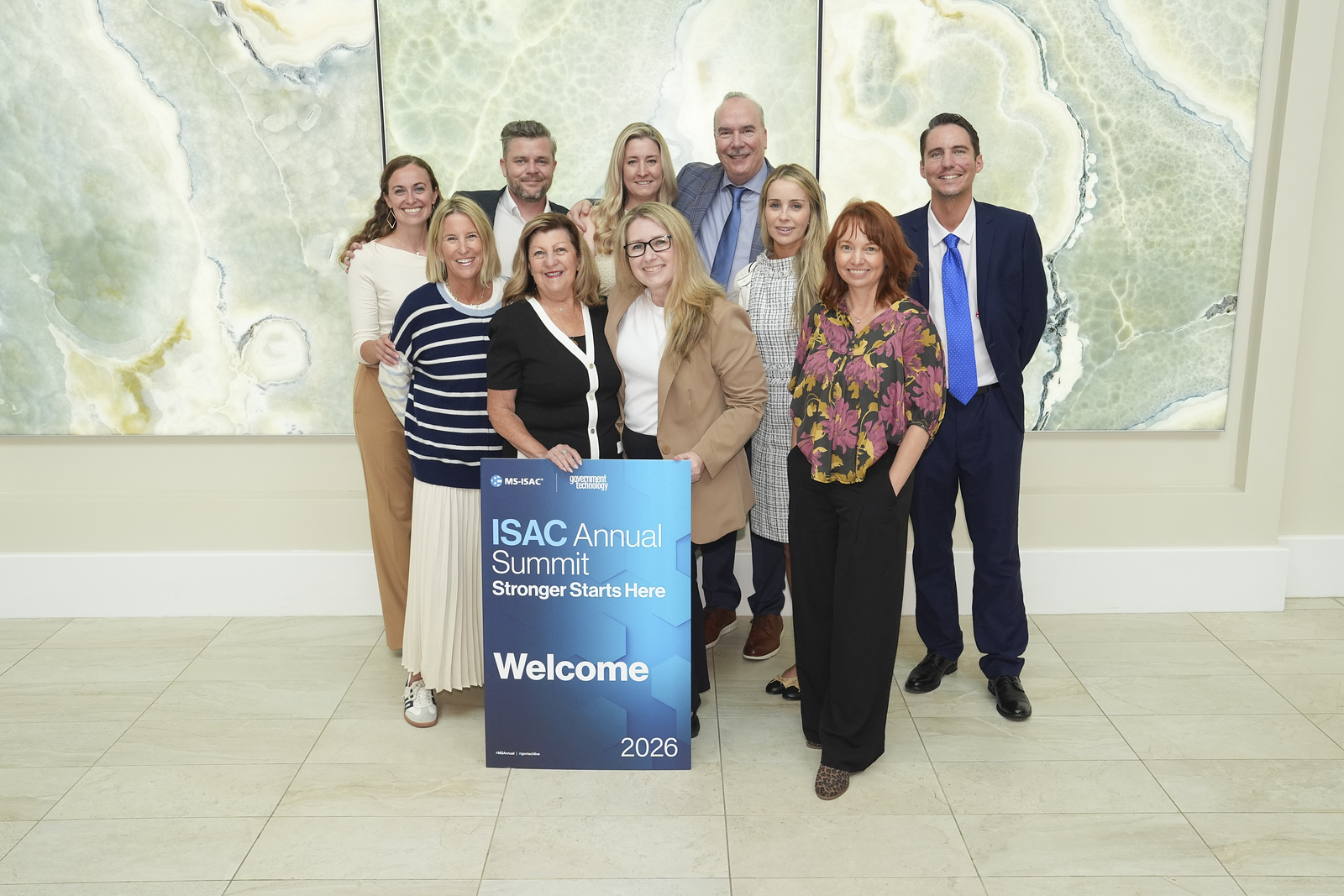
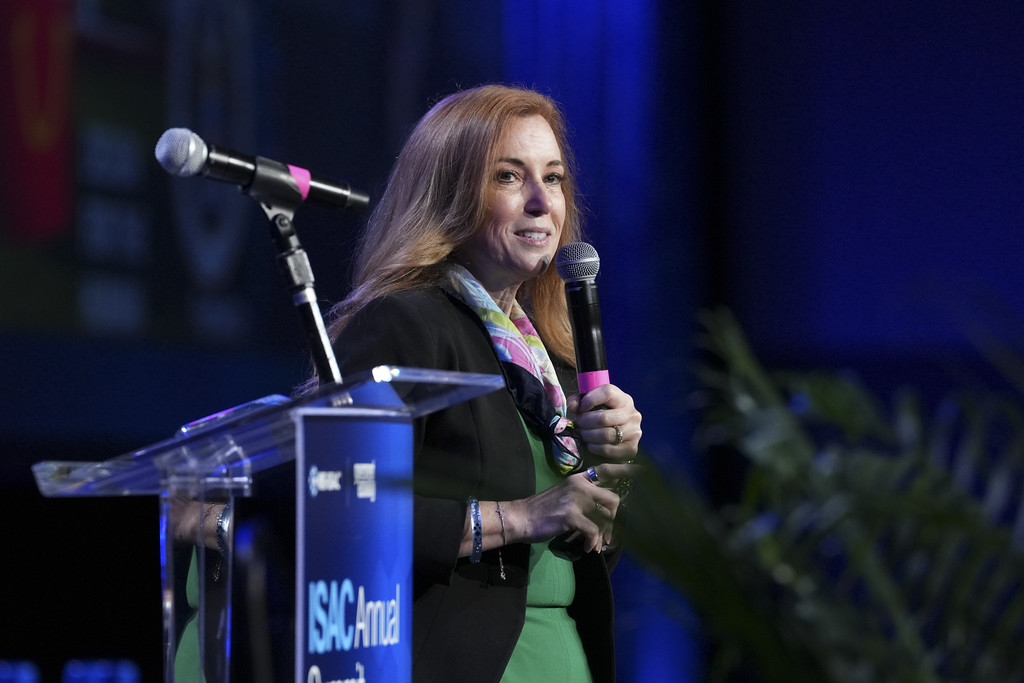
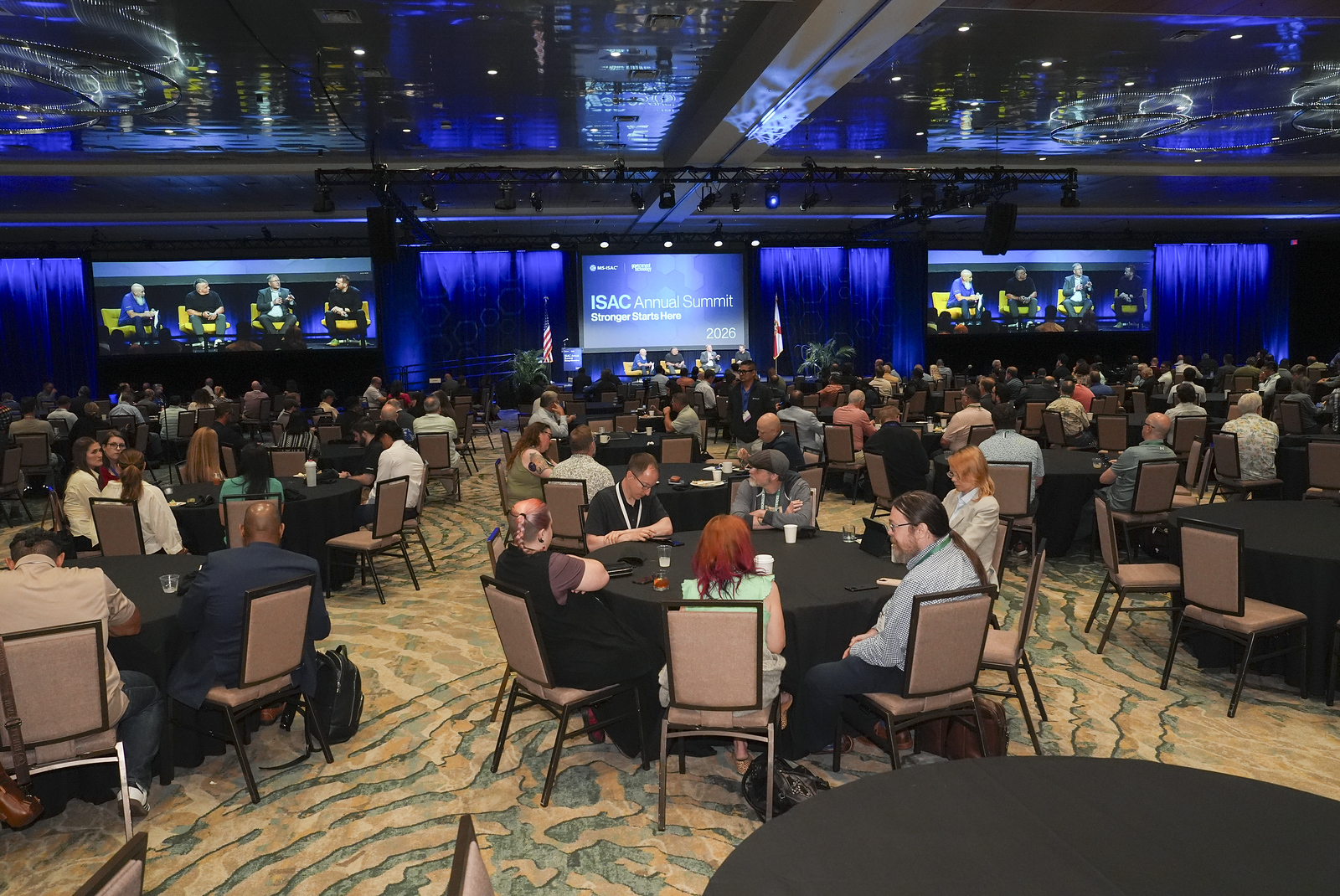
Three Days of Collaboration, Learning, and Cybersecurity Insights
This gathering marks the 19th ISAC Annual Summit—celebrating nearly two decades of State, Local, Tribal, and Territorial (SLTT) collaboration and community defense. Government Technology is proud to partner with the MS-ISAC® in advancing an ongoing initiative that has been shaping how the public sector confronts its most urgent cybersecurity challenges.
Join us on June 21-24, 2026 at the Caribe Royale in Orlando, Florida. Engage with peers, gain insights from shared SLTT best practices, and enhance your security, resilience, and continuity strategies to better protect U.S. government networks and systems.
The event begins with a welcome reception on June 21, but the room block has some guest rooms available a few days prior to the event start.
Learn more about the Partnership between the Center for Internet Security and Government Technology HERE

Hear from ISAC members on the value of attending the ISAC Annual Summit
Speakers
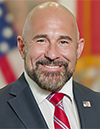







Emmanuel Adinkra

Senior IT Administrator, Santa Clarita Water Agency
He has spoken at global forums including TrustCon and the Stanford Trust & Safety Research Conference, and collaborates with governments, law enforcement, academia, and industry on combating online harms such as financial sextortion, CSAM, and cyberbullying. Emmanuel also serves in advisory and collaborative capacities across digital safety, cybersecurity, and AI governance initiatives, contributing to conversations on responsible technology, online trust, and public policy. His work bridges cybersecurity operations, public policy, and digital safety advocacy, with a strong focus on protecting vulnerable communities online.

Jonathan Alonzo
Cybersecurity Manager, San Bernardino County Sheriff Department, State of California

Enrique Alvarez
Public Sector Advisor, Google Cloud
Leveraging extensive experience in both law enforcement and the military, Enrique possesses comprehensive insight into the sophisticated threats encountered by public sector entities. He applies this proficiency to demonstrate how Google Cloud's security protocols meet or exceed security requirements of public sector clientele.
Enrique also served as a commissioned officer in the United States Navy, retiring from the reserve component in 2013. Enrique holds degrees from Stanford University and the Navy Postgraduate School.


Todd Bayley
Chief Information Officer, Pasco County, Board of County Commissioners, State of Florida
The primary responsibilities for his office encompass a wide variety of strategic technology issues:
• Governance and policy
• Resource allocation
• Serves on the County’s Executive Leadership Team
• Strategic AI and digital technologies to enhance customer service and organizational performance
Pasco County Information Technology provides support for 57 lines of business: IT infrastructure and services, information security systems and compliance, administrative systems, and client support services. In addition, the department is responsible for network and communications needs for the 6th Judicial Court Administration, State Attorney, Public Defender, Guardian Ad Litem, and Misdemeanor Probation, as well as five constitutional offices: (1) Pasco Sheriff’s Office (Telephony only), (2) Pasco Tax Collector, (3) Supervisor of Elections, (4) Property Appraiser, (5) Clerk of the Court and Comptroller.
Mr. Bayley has been in the Information Technology field for 43 years. He holds two master’s degrees: Liberty University (MBA), Florida State University (MPA), and is a Certified Public Manager (CPM), a Certified Government Chief Information Officer (CGCIO), and is a U.S. Coast Guard Veteran. Mr. Bayley is also the Past President of the Florida Local Government Systems Information Association (FLGISA).

Dave Beller
Quantum Resiliency in Cryptography for SLTT Security, San Diego Unified School District


Andy Boell
Owner/Cybersecurity Specialist, Midwest Cyber
His career spans statewide cybersecurity program leadership, classroom and college-level teaching, and consulting for under-resourced organizations including schools, small defense contractors, nonprofits, and faith communities. Andy is a frequent advocate for practical, framework-driven security that meets organizations where they are. His session focuses on visualizing security posture by mapping tools to the CIS Controls framework.

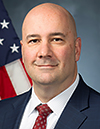



Anthony Coronas
Director of Information Technology, Yocha Dehe Wintun Nation, State of California

Mikel Costello
Enterprise Architect / Strategic Planning and Design Manager, WaTech, State of Washington


Nikki Fisher
Executive Director of the Oregon District Attorney's Association

Harold Garron
Disaster Recovery Manager, Cooper University Healthcare




Daniel Gohl
Chief Technology and Strategy Officer, U.S. SLED, HP Inc.


John Israel
Chief Information Security Officer, State of Minnesota
John has over 25 years of IT experience leading, building, and growing cybersecurity and IT functions in municipal, county, and state entities. He also oversees cybersecurity operations for the state and multiple grant-funded outreach programs that provide cybersecurity support and resources to counties, port cities, and tribal nations throughout Minnesota.
At MNIT, John has played a key role in strengthening the state's cybersecurity capabilities, including serving as deputy CISO and leading the Security Operations Center (SOC). He was instrumental in establishing the state's first SOC and developing cybersecurity threat intelligence sharing through the Minnesota Fusion Center, hosted by the Minnesota Bureau of Criminal Apprehension.
Before joining MNIT in 2008, John led IT operations for the Washington County Sheriff's Office. John holds a Bachelor of Arts degree from Concordia University in Saint Paul, a Master of Science degree from Norwich University in Vermont, and a Certified Information Systems Security Professional (CISSP) certification from ISC(2).
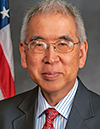



James Longhurst
Information Systems Associate Director, Utah County




Leah McGrath
Executive Director, GovRAMP
In recognition of her vision and leadership in strengthening cyber resilience across both the public and private sectors, McGrath was named to NextGov’s 2025 Federal 100 and to Government Technology’s 2023 Top Doers, Dreamers and Drivers list, honoring the individuals driving real impact in the modernization of government technology.
With over two decades of experience at the intersection of government, policy, and innovation, McGrath brings a proven track record in strategic planning, cross-sector collaboration, and digital transformation. Prior to her role with GovRAMP, she served as the first Deputy Mayor of the City of Fishers, Indiana, where she helped lead the city's transformation into a nationally ranked smart city. Her efforts included spearheading Fishers’ first long-range comprehensive plan and launching city-wide modernization initiatives—efforts that contributed to the city being named Money magazine’s #1 Best Place to Live in America in 2017.
Throughout her career, McGrath has remained committed to improving outcomes for citizens through secure, scalable, and forward-thinking technology solutions. Today, she continues to serve as a national voice for supplier assurance, cyber policy alignment, and innovation in the public sector.

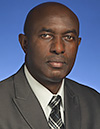
Aime Nsengiyumva
Deputy Chief Information Security Officer, State of Tennessee
In the past 3 years, he has been actively involved in the State of Tennessee’s “Whole-of-State” program initiatives.
He holds a Master of Science degree in Information Technology (Project Management and Leadership) and a Bachelor of Science in Information Technology (Network Technologies). He has earned various industry standard certifications, including the CISSP, PMP, ITIL, and TOGAF.
_Rich_Neely_headshot_6-2026.jpg)

Allen Ohanian
Los Angeles County Department of Children and Family Services
technology leader, international speaker, and scholar-practitioner with more than 20 years of experience in cybersecurity, privacy, risk management, incident response, and technology governance. He is the Chief Information Security Officer for the Los Angeles County Department of Children and Family Services, where he led enterprise cybersecurity strategy, risk reduction, security awareness, incident response, privacy coordination, and compliance initiatives supporting one of the nation’s largest child welfare agencies. His work integrates artificial intelligence, cyber psychology, human behavior, organizational trust, and cyber resilience. Allen is also a Ph.D. candidate in Industrial/Organizational Psychology and has contributed to cybersecurity education, workforce development, and public-sector innovation through academic programs and national and international forums.




Garrett Ragland-Helf
CISO Advisory Analyst and Group Facilitator, MS-ISAC Leadership Mentoring Program


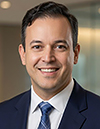
Daniel Reis
Chief Information Officer, Orange County Elections (Florida)

Randy Rose
Vice President of Security Operations and Intelligence, CIS Security Ops & Intelligence
He previously served in the U.S. Air Force and as New York State’s first local government-focused penetration tester. He moonlights as an adjunct instructor at multiple universities and sits on the Board for two local nonprofit organizations.

Marcus Sachs
Senior Vice President and Chief Engineer, Center for Internet Security




Jason Skeen
Information Technology Security Manager, Mecklenburg County (North Carolina)

Kyle Smith
Vice President, GTM Strategy, NuHarbor Security
Kyle’s practical approach to technology and deep understanding of client challenges make him a trusted leader at NuHarbor. His passion for developing tailored security solutions ensures that clients receive expert guidance that drives meaningful outcomes.



Biplav Srivastava
Professor, AI Institute, University of South Carolina






Luis Torres
Chief Technical Services Officer, Orange County Elections (Florida)




Kim Watson
Retired Senior Program Advisor, Operations and Intelligence Services at the Center for Internet Security (CIS)

Nathan Willigar
Chief Security Advisor, Microsoft
Previously, he was the Chief Information Security Officer for the State of Maine, overseeing the security of the State’s IT infrastructure. Over more than six years, he strengthened Maine’s cybersecurity posture by maturing its security program, protecting citizen data, and supporting agency missions through tailored IT solutions. He collaborated closely with state and federal partners to identify threats, mitigate risk, and enhance enterprise-wide security capabilities.
Mr. Willigar served on the Maine Cyber Security Advisory Council and MS-ISAC. He holds a CISM, an MBA from Thomas College, a BA from Husson College, and completed the FBI CISO Academy.

Al Yu
Information Technology Director, Blackhawk County, State of Iowa
Agenda
Sunday, June 21, 2026 |
|
4:00 PM - 5:30 PM |
RegistrationPalms Atrium |
4:00 PM - 5:30 PM |
Exhibit HallGrand Sierra D/E |
5:30 PM - 7:00 PM |
Welcome ReceptionGrand Sierra D/E |
7:00 PM |
End of Reception |
Monday, June 22, 2026 |
|
7:30 AM - 7:45 AM |
RegistrationPalms Atrium |
7:30 AM - 7:45 AM |
Continental Breakfast / Exhibit HallGrand Sierra D/E |
7:45 AM - 8:45 AM |
Welcome Session for MS-ISAC Leadership Mentoring ProgramCuracao 3(2026 Cohort Participants) |
8:45 AM - 9:00 AM |
Color Guard and National AnthemPalms1/2Valecia Stocchetti , Senior Cybersecurity Engineer, Center for Internet Security |
9:00 AM - 9:10 AM |
Welcome RemarksPalms 1/2Lieutenant Governor , Jay Collins, State of Florida |
9:10 AM - 9:15 AM |
Keynote IntroductionPalms 1/2 |
9:15 AM - 10:15 AM |
Keynote Presentation –How to Work Better Together –Through Collaboration in Tech, Security and AIPalms 1/2As the first female White House Chief Information Officer, Theresa Payton led national cybersecurity and digital transformation efforts that demanded unprecedented collaboration across fragmented agencies and stakeholders, proving that breaking silos and building shared situational awareness are essential for success in complex, high-stakes environments. Drawing from her White House experience and current advisory work with Fortune 500 boards at Fortalice Solutions, Theresa shows how adaptive, cross-functional teams—much like the Team of Teams model, enable organizations to respond faster and smarter to AI-amplified threats, evolving cyber risks, and digital transformation challenges. In today's landscape, true collaboration in tech and security means aligning people, processes, and technology: fostering transparency, ethical governance, and inclusive decision-making so that AI becomes a unifying force rather than a divider. Theresa’s AI TRUST Framework and real-world lessons, from defending national networks to securing AI-driven operations, offer practical strategies for leaders to build resilient partnerships that protect systems and data while accelerating innovation. Her keynote delivers an optimistic, actionable message: "Collaboration isn't just nice to do, it's the competitive edge that turns fragmented threats into unified strength," empowering attendees to lead stronger, more connected teams in the age of AI, cybersecurity, and digital trust. View Presentation Here Theresa Payton , First Female White House Chief Information Officer; AI Strategist; Business and Personal Security Expert; Privacy Visionary |
10:15 AM - 10:20 AM |
Transition RemarksPalms 1/2 |
10:50 AM - 11:50 AM |
Executive Security Exchange: CISO Roundtable DiscussionsGrand Sierra F(Budget/Leadership) This breakout session is designed to foster dynamic peer exchange among Chief Information Security Officers (CISOs) and senior security leaders, focusing on practical strategies to strengthen enterprise security posture. Participants will be organized into small roundtable groups, each assigned a topic such as Defense in Depth, Continuous Monitoring, Security Validation, AI Security Strategy, Security Culture, or Data Loss Prevention. Groups will designate a facilitator and scribe to capture insights, challenges, and leading practices, encouraging open dialogue, real-world storytelling, and collaborative ideation grounded in state and local environments. Microsoft will actively support the session by rotating between tables, providing perspective, challenging assumptions, and deepening discussion. All inputs will be consolidated into a structured summary and distributed post-session, serving as a shared knowledge asset to enable continued collaboration and capture actionable insights, trends, and opportunities. * * * * * * * * * * * * * * * * * * * * * * * * * * Nathan Willigar , Chief Security Advisor, SLED Microsoft Charles Rote , Chief Information Security Officer, Maine Office of Information Technology |
10:50 AM - 11:50 AM |
Strengthen CJIS Compliance in State and Local GovernmentGrand Sierra G(Security Best Practice) State and local agencies face mounting pressure to protect Criminal Justice Information amid ransomware, insider threats, and increasingly hybrid IT environments, yet many struggle to operationalize CJIS Security Policy requirements within flat, minimally segmented networks. This session explores how microsegmentation offers a modern, Zero Trust–aligned approach to meeting CJIS objectives by enforcing least-privilege access at the workload level—restricting access to CJI systems, preventing lateral movement during a breach, and supporting control families like Access Control, System and Communications Protection, and Incident Response. Through real-world public-sector scenarios, attendees will see how agencies can deploy microsegmentation across on-prem, cloud, and hybrid environments without re-architecting the network, while maintaining operational continuity. The discussion will also address practical challenges such as protecting unpatchable legacy CAD and RMS systems and streamlining CJIS audits through machine-enforced evidence and high-signal telemetry. Participants will leave with a practical, phased framework for aligning microsegmentation initiatives to CJIS compliance, helping their organizations move from perimeter-based security toward a resilient, Zero Trust–ready architecture. * * * * * * * * * * * * * * * * * * * * * * * * * * Douglas Holland , Senior Solutions Engineer, Akamai |
10:50 AM - 11:50 AM |
Ransomware Ready (1 of 4): Been There, Done ThatCoral B(Ransomware Prevention/Resilience) This panel of SLTT leaders talks about the value of a cybersecurity program, what they have tried and lessons learned. The topics address high priority, low level of entry capabilities for small under-resourced organizations to mitigate ransomware impacts. They include training, patching, endpoint protection, and phishing prevention. View CALL TO ACTION Here * * * * * * * * * * * * * * * * * * * * * * * * * * Carlos Kizzee , Senior Vice President, CIS Stakeholder Engagement, Center for Internet Security Robert Beach , Director of Information Technology, City of Palm Bay, Florida and of President Florida Local Government Information Systems Association (FLGISA) Gary Coverdale , Chief Information Security Officer, Santa Barbara County (California) Ben Edelen , Chief Information Security Officer, Boulder County (Colorado) |
10:50 AM - 11:50 AM |
Elections in the Age of AICoral C(Elections Security) AI technologies are transforming modern election campaigns, voter behavior, and election processes. This presentation will highlight applications of AI in elections, such as enhancing voter accessibility, improving election administration, creating campaign materials, and enabling civic engagement. The talk will also address risk and challenges that AI presents, as well as governance considerations to address these challenges. * * * * * * * * * * * * * * * * * * * * * * * * * * Dr. Thomas P. Scanlon , Principal Research Scientist and Technical Manager, CERT Division, Software Engineering Institute, Carnegie Mellon University |
10:50 AM - 11:50 AM |
Building Trustworthy AI: A Practical Roadmap for Responsible AI Adoption Across SLTT GovernmentBonaire 1/2(AI, GenAI, Machine Learning) Generative AI is moving rapidly from experimentation to everyday use across state, local, tribal, and territorial (SLTT) governments—but readiness, governance maturity, and risk management approaches vary widely. This session brings together practical guidance and peer insights to help SLTT leaders move from intent to execution. Attendees will learn how jurisdictions are establishing clear expectations for responsible AI use through transparency statements, tailored Responsible AI guidance, and operational playbooks for AI readiness, governance, risk review, and procurement. Subject matter experts directly involved in shaping emerging AI Governance, Risk, and Procurement Playbooks will discuss where SLTTs truly stand today, what challenges persist, and what’s coming next—including the safe integration of tools like copilots, agentic systems, and AI-enabled SaaS platforms. Participants will walk away with actionable templates, real-world examples, and best practices to support secure prompting, protect sensitive data, reinforce human-in-the-loop review, and confidently scale AI adoption across enterprise workflows—while balancing innovation with accountability. View Presentation Here View CALL TO ACTION Here * * * * * * * * * * * * * * * * * * * * * * * * * * Stephanie Gass , Sr. Director of Information Security, Center for Internet Security James Globe , VP of Strategic Cybersecurity Capabilities, Technology & Innovation, Center for Internet Security Jason Skeen , Information Technology Security Manager, Mecklenburg County (North Carolina) Al Yu , Information Technology Director, Blackhawk County (Iowa) |
10:50 AM - 11:50 AM |
Whole-of-State in Action, Part I: Confronting Challenges in State–Local PartnershipGrand Sierra H/I(Whole-of-State) Whole-of-State in Action: This panel dives deeply into the realities and friction points of operationalizing whole-of-state cybersecurity. Panelists—representing states at different maturity levels and using different models of MS ISAC participation—will discuss the nuanced challenges that arise when aligning state strategies with the needs, capabilities, and constraints of local jurisdictions. The facilitator will press into real-world issues such as sustaining local engagement, addressing unfunded mandates, balancing compliance and flexibility, strengthening local cyber hygiene, and building long term resilience beyond grant cycles. Panelists will emphasize how they are confronting these challenges through governance models, shared services, capacity building strategies, cross jurisdictional trust structures, and continuous improvement cycles. This candid, practitioner focused discussion will resonate strongly with SLTT attendees seeking relatable experiences, tangible tactics, and evidence of progress happening across the nation. Each state's story will highlight that while no two whole of state approaches are the same, shared learning accelerates success for all. The session concludes with actionable next steps and invitations to deepen engagement with MS ISAC and other relevant resources and peer networks. View Presentation Here * * * * * * * * * * * * * * * * * * * * * * * * * * Karen Sorady , VP of MS-ISAC Strategy and Plans, Center for Internet Security Meghan Cook , Director, Cyber Incident Response Team, Division of Homeland Security & Emergency Services, State of New York John Israel , Chief Information Security Officer, State of Minnesota Aime Nsengiyumva , Deputy Chief Information Security Officer, State of Tennessee |
10:50 AM - 11:50 AM |
GovRAMP 101: Strengthening Third-Party Cybersecurity Risk Management for Public Sector AgenciesBonaire 5/6(GovRamp) As state and local governments increasingly rely on cloud services and third-party vendors, managing cybersecurity risk across the digital supply chain has become a mission-critical responsibility. This foundational session introduces GovRAMP and demonstrates how agencies can leverage it to build a scalable, repeatable, and defensible third-party cybersecurity risk management program. Designed for both technical and non-technical stakeholders, GovRAMP 101 provides practical guidance for integrating GovRAMP into procurement, IT, security, and compliance workflows—reducing risk while accelerating secure technology adoption. Participants will explore: ·GovRAMP Overview: Understanding what GovRAMP is, how it aligns with NIST standards, and how it supports consistent, risk-based security assurance across vendors. ·Getting Started with GovRAMP: Step-by-step guidance for agencies beginning their GovRAMP journey, including assessing current practices and defining roles and responsibilities. ·Sample Security Policies & Procurement Language: How to use GovRAMP-aligned policy templates and procurement language to clearly communicate security expectations to vendors from the outset. ·Internal Stakeholder Education: Strategies for educating leadership, procurement, legal, IT, and program teams on shared responsibility and the value of standardized security reviews. ·Vendor Education & Engagement: Helping vendors understand GovRAMP requirements, pathways, and benefits to foster transparency and collaboration. ·Leveraging Continuous Monitoring: Using GovRAMP’s continuous monitoring approach to maintain ongoing visibility into vendor risk, reduce reassessment fatigue, and respond to changes over time. Attendees will leave with a clear understanding of how GovRAMP can serve as the backbone of an agency’s third-party cybersecurity risk management program—enabling more secure, efficient, and confident technology decisions. * * * * * * * * * * * * * * * * * * * * * * * * * * Leah McGrath , Executive Director and Board Ex-Officio, GovRAMP Jennifer Pittman Leeper , Field Chief Information Security Officer, GovRAMP |
11:50 AM - 12:10 PM |
Short Break |
12:10 PM - 1:10 PM |
Public Sector CISO RoundtableAntigua 1/2(Budget/Leadership) Join leading public sector security executives at the Public Sector CISO Roundtable. This interactive session moves beyond high-level discussions to address the most pressing, real-world priorities, challenges, and specific agency needs facing modern cybersecurity leaders. Participants will explore how to successfully navigate the complex convergence of sophisticated threat actors, legacy system modernization, and strict regulatory mandates. A core focus will be placed on the dual nature of artificial intelligence: analyzing how AI amplifies threat actor tactics while strategically leveraging it as a workforce force multiplier to enhance threat detection and SOC operations. Finally, the roundtable will dive into practical strategies for building long-term cyber resilience. Attendees will collaborate on architectural best practices, SOC modernization, and the evolving future of public-private information sharing in an AI-driven landscape. IMPORTANT NOTE: Email confirmation of Invite required to attend. * * * * * * * * * * * * * * * * * * * * * * * * * * Jeremy Rissi , Director, Cybersecurity Sales, Google Public Sector |
12:10 PM - 1:10 PM |
Modernizing Vulnerability Operations at State Scale: Virginia's Journey to Unified Risk Management in a Decentralized EnvironmentGrand Sierra F(Vulnerability Management/Risk Management) The Virginia Information Technologies Agency (VITA) shares its multi-year effort to centralize statewide vulnerability and exposure management across its independent executive branch agencies. Session attendees will learn how consolidating fragmented, agency-by-agency remediation into a single intelligence-driven model reduced manual triage effort by 80%, cut high-risk vulnerabilities by 50% in three months, and gave the Commonwealth enterprise-wide command over risk—without disrupting the autonomy of individual agencies. * * * * * * * * * * * * * * * * * * * * * * * * * * Maria Thompson , Principal Strategist, Public Sector, Wiz Richard White , Director, Security, Products & Services, Virginia IT Agency, Commonwealth of Virginia |
12:10 PM - 1:10 PM |
Ransomware Ready (2 of 4): Foundations First — Access Control & Backups That Protect What MattersCoral B(Ransomware Prevention/Resilience) Small jurisdictions often face the perfect storm of limited staff, aging technology, and increasing ransomware pressure. This session focuses on two of the most powerful and achievable starter controls: Access Control and Data Backup. Participants will learn how these foundational policies prevent unauthorized access, limit lateral movement, and enable reliable recovery, even in environments with minimal resources. Using policy templates, this session will walk through essential access management steps to establish unique user accounts, timely remove old accounts, handle role changes, manage privileged access hygiene, and the introduction of multi-factor authentication as a critical added safeguard that significantly decreases the risk of compromised credentials in small, resource constrained environments. The session will also overview building a sustainable data backup policy, discussing how offline and off-network backups, monthly restore testing, and clear ownership roles directly support ransomware resilience. Attendees will leave this session with sample policies and a checklist for validating backups. This session is ideal for teams needing "where do we start?" guidance, setting the stage for continued skill-building across the full four-session series and joining a broader year-long effort to refine and exercise these policies with MS-ISAC collaboration and TTX exercise support. View CALL TO ACTION Here * * * * * * * * * * * * * * * * * * * * * * * * * * Carlos Kizzee , Senior Vice President, CIS Stakeholder Engagement, Center for Internet Security Gary Coverdale , Chief Information Security Officer, Santa Barbara County (California) Ben Edelen , Chief Information Security Officer, Boulder County (Colorado) |
12:10 PM - 1:10 PM |
Ongoing Election Threats, Information Sharing and What's Left at the Federal LevelGrand Sierra G(Elections Security) As election officials continue to navigate an increasingly complex threat environment, the intersection of cybersecurity, physical security, geopolitical tensions, and malign information operations has elevated the importance of timely and actionable threat intelligence. This session will examine the evolving landscape of threats facing election infrastructure, including the influence of global conflicts, nation-state activity, domestic extremism, and emerging cyber tactics targeting public trust and election operations. Participants will gain insight into how threat intelligence is gathered, analyzed, and shared to support election security and resilience. The discussion will highlight the critical role of information sharing in helping election officials identify risks, prepare for incidents, and strengthen coordinated response efforts across jurisdictions. The session will also explore the current role of federal agencies in protecting elections. * * * * * * * * * * * * * * * * * * * * * * * * * * Marci Andino , Vice President, Election Infrastructure Information Sharing and Analysis Center (EI-ISAC) Randy Rose , Vice President of Security Operations and Intelligence, CIS Security Ops & Intelligence Theodore Sayers , Senior Director of Threat Intelligence, CIS Security Ops & Intelligence Matt Swenson , Senior VP, Operations, Intelligence, and Services, Center for Internet Security AI , Human Behavior, and Cyber Resilience in Government: Building a Practical AI Enterprise Strategy for SLTTs |
12:10 PM - 1:10 PM |
Bonaire 3/4Bonaire 3/4(AI, GenAI, Machine Learning) As artificial intelligence reshapes the cyber threat landscape, government organizations must prepare for more than technical attacks alone. This session presents a practical case study from a large local government environment and introduces a multidisciplinary approach integrating cybersecurity leadership, AI risk, cyber psychology, and Organizational Psychology. Attendees will learn how modern threats increasingly exploit cognitive overload, trust gaps, and behavioral predictability, and how leaders can respond by building resilience in people, systems, and institutions. * * * * * * * * * * * * * * * * * * * * * * * * * * Phil Bertolini , Chief Delivery Officer, Government Technology James Globe , VP of Strategic Cybersecurity Capabilities, Technology & Innovation, Center for Internet Security Allen Ohanian , Chief Information Officer, Los Angeles County Department of Children and Family Services, State of California |
12:10 PM - 1:10 PM |
MS-ISAC Higher Ed Member Connect and Fraudulent Student ApplicationsBonaire 7/8(Higher Education) This session focuses on the value of MS-ISAC's Member Connect platform for higher education and the importance of expanding participation across institutions. The session then transitions to a discussion on ghost student accounts—fraudulent enrollment records—and their significant impact on federal funding for higher-education organizations. View CALL TO ACTION Here * * * * * * * * * * * * * * * * * * * * * * * * * * Brian Cohen , Vice President, Center for Digital Education Fred Rankin , IT Director of Cyber Security/Infrastructure/End User Services, Lane Community College |
12:10 PM - 1:10 PM |
Secure by Design: Embedding Enterprise Cyber Resilience into Local Government SoftwareBonaire 5/6(Local Government) This session explores how organizations can make security a foundational characteristic across the entire system lifecycle, from concept and design to deployment, operation, and decommissioning. Drawing on enterprise cyber strategies, real-world case studies, and practical frameworks, attendees will learn how to embed security into culture, governance, and supply chains to create infrastructure that is inherently robust, resistant to attack, and capable of rapid recovery. View CALL TO ACTION Here * * * * * * * * * * * * * * * * * * * * * * * * * * Charles Burton , Director of Information Technology, Calcasieu Parrish (Louisiana) |
1:10 PM - 1:40 PM |
Working LunchPalms 1/2 |
1:40 PM - 2:10 PM |
General Session – Joint Threat Brief: Center for Internet Security and Center for Digital GovernmentPalms 1/2Palms 1/2 Dan Lohrmann , Senior Fellow, Center for Digital Government Lauren McFayden , Threat Intelligence Analyst, Center for Internet Security Randy Rose , Vice President of Security Operations and Intelligence, CIS Security Ops & Intelligence Theodore Sayers , Senior Director of Threat Intelligence, CIS Security Ops & Intelligence |
2:10 PM - 2:40 PM |
Networking Break in the Exhibit HallGrand Sierra D/ENetwork with your colleagues and discuss technology solutions with the event sponsors. |
2:40 PM - 3:40 PM |
Own the Intelligence: Where Should Your AI Live?Grand Sierra F(AI, GenAI, Machine Learning) Integrating artificial intelligence capabilities into public sector services requires the selection and deployment of a technology infrastructure built on an initial knowledge model, integrating new data, and synthetic cognition while ensuring that security concerns, regulatory compliance, auditability, and cost containment are addressed. Hybrid AI compute environments - where AI compute is occurring in the cloud, at the edge, and on end-point devices – has emerged as the best approach through which to navigate delivering RAG (retrieval augmented generation), frontier and small model language models, agents, real-time sensor monitoring, and many other use cases where AI is transforming both what public sector services are possible and how they are delivered.This session will provide attendees guidance on orchestrating the mix of AI PCs, AI workstations, and cloud compute dependencies by examining the interplay of use case, AI/ML approach, and compute capability to address security, latency, cost and other factors. * * * * * * * * * * * * * * * * * * * * * * * * * * Daniel Gohl , Chief Technology and Strategy Officer for US SLED, HP |
2:40 PM - 3:40 PM |
Vulnerability Management Best PracticesGrand Sierra G(Vulnerability Management/Risk Management) Effective vulnerability management requires clear articulation of value, urgency, and business impact. This session facilitates a conversation on practical strategies to strengthen vulnerability management programs and secure the budgets needed to sustain them—covering how to speak the language of the business, frame risk effectively, and position security investments as essential enablers rather than cost centers. * * * * * * * * * * * * * * * * * * * * * * * * * * Anthony Coronas , Director of Information Technology, Yocha Dehe Wintun Nation (California) |
2:40 PM - 3:40 PM |
Ransomware Ready (3 of 4): Detect, Contain, Recover — Incident Response for Lean TeamsCoral B(Ransomware Prevention/Resilience) Even with preventative controls in place, small jurisdictions must be ready to act fast when ransomware indicators appear. This session helps participants implement both Incident Response and Incident Handling—and be able to quickly identify which is needed. Attendees will work through how to make sure their IT and business continuity plans share the same priorities. Those joint priorities are the basis for quick assessment of an incident to determine what should happen next, to include communications and escalation requirements. Session will include Incident Handling workflows and checklists for environments where the first responder may also be the system administrator, communications lead, and recovery coordinator and escalation may include coordination with the MS-ISAC SOC or support designated by an insurance provider. This session will provide attendees with actionable draft policies, role checklists, and a simple "first 30 minutes" response guidance, plus opportunities to test these policies in real-world scenarios. View Presentation Here View CALL TO ACTION Here * * * * * * * * * * * * * * * * * * * * * * * * * * Rob Reese , Cyber Incident Response Team (CIRT) Manager, MS-ISAC Kim Watson , Senior Program Advisory, Center for Internet Security (former) |
2:40 PM - 3:40 PM |
Promoting AI's Safe Usage for ElectionsBonaire 5/6(Elections Security) This session explores the evolving role of artificial intelligence in electoral processes, focusing on its potential to improve data-driven decision-making amid the growing challenges of misinformation, manipulation, and voter suppression. It examines how AI tools could address information gaps for voters, candidates, and election commissions while acknowledging the skepticism and concerns that surround the use of AI in critical civic functions. View Presentation Here View CALL TO ACTION Here * * * * * * * * * * * * * * * * * * * * * * * * * * Biplav Srivastava , Professor, AI Institute and Department of Computer Science and Engineering, University of South Carolina |
2:40 PM - 3:40 PM |
Cyber Risk in the Public Sector: Managing Shared Responsibilities, AI Tools, and Secure Digital Supply ChainsGrand Sierra H/I(GovRamp) In today’s rapidly evolving digital landscape, state agencies and local governments face increasing cyber risks—especially when adopting third-party tools and cloud-based solutions. This hands-on workshop equips public sector professionals with practical strategies to assess and manage cyber risks across their digital ecosystems. Participants will explore: ·Shared Responsibility Models: Clarifying "what’s yours, what’s mine, and what’s ours" when implementing third-party platforms and cloud services. ·Tracking Generative & Agentic AI: Understanding how AI is embedded in cloud products and how to monitor its use for compliance and risk. ·Efficient Security Reviews: Conducting apples-to-apples evaluations of vendors and digital supply chain components to streamline security assessments. ·GovRAMP Implementation: Step-by-step guidance on how to apply GovRAMP principles to your agency’s procurement and IT processes. Through real-world scenarios, attendees will leave with actionable tools to strengthen their cyber posture and make informed decisions about technology adoption. * * * * * * * * * * * * * * * * * * * * * * * * * * Leah McGrath , Executive Director and Board Ex-Officio, GovRAMP Jennifer Pittman Leeper , Field Chief Information Security Officer, GovRAMP William Thorn , Chief Technology Officer, Trellix |
2:40 PM - 3:40 PM |
Defending at Machine Speed: AI-Driven Threats and the Future of Public Sector Cyber ResilienceCoral C(Local Government) Attackers are now using AI to discover and exploit vulnerabilities faster than human teams can find, analyze, and patch them—a shift that hits local governments especially hard, as counties, cities, and towns often defend critical systems with a handful of IT staff and limited budgets. From utilities and public safety to permitting and benefits delivery, the services residents rely on every day depend on infrastructure that can no longer be protected through manual detection and patching alone. This session examines how AI is reshaping both sides of the cybersecurity battle and what it means for local agencies, exploring the emergence of always-on, autonomous defense platforms that don't just flag vulnerabilities but actively prioritize an organization's most critical real-world risks and accelerate their remediation. Attendees will leave with practical insight into how AI-powered defense can help lean local government teams close the speed gap, protect essential community services, and build lasting cyber resilience. View CALL TO ACTION Here * * * * * * * * * * * * * * * * * * * * * * * * * * Deb Snyder , Senior Fellow, Center for Digital Government John Matelski , Chief Information Officer, National Association of Counties (NACO) Jeremy Rissi , Director, Cybersecurity Sales, Google Public Sector Randy Rose , Vice President of Security Operations and Intelligence, CIS Security Ops & Intelligence |
2:40 PM - 3:40 PM |
Log Aggregation and SIEM OverviewBonaire 7/8(Threat Intel/SecOps/IR) This technical presentation provides a practical overview of log aggregation and its evolution into full Security Information and Event Management (SIEM) capabilities. The session covers centralized log aggregation, real-world methods for collecting logs from diverse sources (Linux, Windows, network devices, cloud/container environments), prevalent log formats and parsing techniques, and the distinction between basic aggregation platforms and mature SIEM solutions. Attendees will leave with actionable insights to design scalable logging pipelines. View Presentation Here View CALL TO ACTION Here * * * * * * * * * * * * * * * * * * * * * * * * * * Phil Bertolini , Chief Delivery Officer, Government Technology Harold Garron , Disaster Recovery Manager, Cooper University Healthcare Kyle Smith , Vice President, GTM Strategy, NuHarbor Security |
3:40 PM - 4:00 PM |
Short Break / Transition to the General Session |
4:00 PM - 4:30 PM |
Elections Infrastructure – INVITE ONLY |
4:00 PM - 4:30 PM |
Improving Physical Security For Election Offices and FacilitiesAntigua 4Bill Ekblad , Election Security Navigator, Minnesota Secretary of State Kyle Jenner , Election Physical Security Navigator, State of Minnesota |
4:00 PM - 4:30 PM |
General Session – Strengthening the Nation Together: The New MS-ISAC Charter and Governance Model for the Future of SLTT CybersecurityPalms 1/2In this end-of-day plenary keynote, a member of the Interim Member Governance Board (IMGB) will unveil the newly revised MS-ISAC Charter and Governance Model, developed through rigorous engagement with the SLTT community. This session explores how the revised governance structure strengthens MS-ISAC's value proposition, reinforces transparency and member influence, and creates a more unified, collaborative environment among the MS-ISAC and the state, local, tribal, and territorial government ecosystem. Teri Takai , Chief Programs Officer, Center for Digital Government Arnold Kishi , Senior Advisor. Office of Enterprise Technology Services, State of Hawaii Major General (ret.) Rich Neely , Executive Vice President & General Manager for Operations, Intelligence and Services (OIS) at the Center for Internet Security |
4:30 PM - 5:15 PM |
ISAC Awards CeremonyPalms 1/2Center for Internet Security Volunteer Committee: Kelly Hall , Senior Vice President, Center for Internet Security Christopher Byram , Network and Cybersecurity Manager, Park County (Colorado) Scott Smith , Director of Information Technology, Town of Branford (Connecticut) Victoria Stronks , Information Technology Director, Sheridan County (Montana) |
5:15 PM - 6:00 PM |
Closing ReceptionPalms 3 |
6:00 PM |
Adjourn Day 1 |
Tuesday, June 23, 2026 |
|
7:30 AM - 8:45 AM |
RegistrationPalms Atrium |
7:30 AM - 8:45 AM |
Continental Breakfast / Exhibit HallGrand Sierra D/E |
8:45 AM - 9:00 AM |
Opening Remarks and Day 1 RecapPalms1/2Ben Edelen , Chief Information Security Officer, Boulder County (Colorado) |
9:00 AM - 10:00 AM |
Keynote Presentation – Cyberchat Q and A: Insights for Elevating Cyber Resilience in Your OrganizationPalms 1/2Once adversaries in the cybersphere, Hector Monsegur and Chris Tarbell have joined forces to help organizations confront today’s most pressing cyber threats. Drawing on their extraordinary experiences - one as a former black-hat hacker, the other as an FBI special agent - their conversation offers a rare, dual-lens view of the modern threat landscape. In a dynamic, audience-driven discussion, Monsegur and Tarbell break down the most significant risks facing organizations today, how real-world attacks unfold, and where defenses most often fail. Together, they share practical insights and actionable frameworks that leaders can apply to strengthen security, reduce risk, and protect operations from disruptions that can cripple organizations and erode trust. Phil Bertolini , Chief Delivery Officer, Government Technology Chris Tarbell , Director, Cyber Security and Investigations, Berkley Research Group and Former FBI Special Agent Hector Monsegur , Cyber Security Expert and Co-founder, SafeHill |
10:00 AM - 10:20 AM |
Transition RemarksPalms 1/2 |
10:50 AM - 11:50 AM |
Zero Trust: Good not Good EnoughBonaire 5/6(Emerging Technology) While Zero Trust has become the gold standard for modern security, it isn't enough on its own—because when every other defense fails, your backups are the last line between recovery and ruin. This session makes the case for an "assume breach" mindset and shows why backups deserve the same rigor we apply everywhere else, through what's known as Zero Trust Data Resilience. Attendees will learn the core principles: separating backup software from storage, segmenting data into multiple resilience zones, and ensuring backups are truly immutable. Most importantly, the discussion will cover why regularly testing your ability to restore is what turns a backup strategy from a checkbox into genuine confidence. * * * * * * * * * * * * * * * * * * * * * * * * * * Ryan Post , Director of Sales Engineering, Object First |
10:50 AM - 11:50 AM |
Ransomware Ready (4 of 4): Test, Test, TestCoral B(Ransomware Prevention/Resilience) The most effective ransomware defense combines technical controls with an informed, confident workforce. This capstone session of the Ransomware Ready series focuses on establishing a test and exercise program that not just drives improvements, but also empowers staff across departments to respond efficiently and effectively to cyber impacts. The session will focus on simple strategies to make time spent 'practicing' provide significant return on investment. The session will capstone the series with a Call to Action and next steps; launching a year long MS-ISAC collaborative initiative where participants will exercise their new policies in virtual training and workshop settings, collaborate to share improvements and lessons learned, and contribute to periodic updates of the Ransomware Prevention Toolkit as threats and operational environments evolve. Attendees of this session series will leave with both the tools and the community needed to keep their policies living, relevant, and resilient. View CALL TO ACTION Here * * * * * * * * * * * * * * * * * * * * * * * * * * Rob Reese , Cyber Incident Response Team (CIRT) Manager, MS-ISAC Kim Watson , Senior Program Advisory, Center for Internet Security (former) |
10:50 AM - 11:50 AM |
Managing Election Supply Chain Security Through ProcurementGrand Sierra F(Elections Security) Election infrastructure relies on complex supply chains spanning technology, services, and physical materials, making procurement a critical control point for managing security risk. This session explores how election officials can integrate supply chain security into procurement practices to safeguard the integrity, availability, and trustworthiness of election systems and technology providers. View Presentation Here * * * * * * * * * * * * * * * * * * * * * * * * * * Grace Mozingo , Senior Program Support Specialist, MS-ISAC PMO, Center for Internet Security Jared Marcotte , President, The Turnout |
10:50 AM - 11:50 AM |
Shadow AI in the C-Suite: What You Don't Know AboutGrand Sierra H/I(AI, GenAI, Machine Learning) Right now, someone in your organization is pasting sensitive data into an AI tool you didn't approve, don't monitor, and can't audit. This session demystifies AI for executive leaders, cutting through the hype to show that AI runs on the same infrastructure you already secure. The session walks through four critical privacy risk categories—including data exposure, shadow AI adoption, and vendor liability, then delivers a practical decision framework for accepting or mitigating each one. View CALL TO ACTION Here * * * * * * * * * * * * * * * * * * * * * * * * * * Deb Snyder , Senior Fellow, Center for Digital Government Chase Fopiano , CISSP, CCSP, CIPM, Executive Director, National Privacy Council Stephanie Gass , Senior Director of Information Security, Center for Internet Security |
10:50 AM - 11:50 AM |
Whole-of-State Part II: State Playbooks for Advancing Local Cyber ResilienceCoral C(Whole-of-State) Whole-of-State in Action: States across the country are evolving rapidly in how they support local governments on cybersecurity—yet no two models look alike. Building on the first session in the Whole-of-State in Action series, panelists will provide an unfiltered look into how their government structures, funding strategies, SLCGP implementations, and intergovernmental partnerships are shaping cyber resilience for municipalities, counties, school districts, and tribes. Through a facilitated dialogue, state leaders will share their practical playbooks: what's working, what they would do differently, and how they are building trust while navigating political, financial, and operational realities. Attendees will gain insight into diverse state models, from states offering comprehensive statewide MS ISAC membership to those developing bespoke state only services or locally driven programs. This session prioritizes transparency, lessons learned, and peer-to-peer value. Local attendees will leave with a clearer picture of the services and support emerging across states, while state officials will gain cross-state inspiration to mature their programs. * * * * * * * * * * * * * * * * * * * * * * * * * * Netta Squires , President Government Affairs, Cybersecurity & Resilience, Open District Solutions John Godfrey , Chief Information Security Officer, State of Kansas John Israel , Chief Information Security Officer, State of Minnesota Aime Nsengiyumva , Deputy Chief Information Security Officer, State of Tennessee |
10:50 AM - 11:50 AM |
Protecting PLC/SCADA Labs in Higher EducationGrand Sierra G(Higher Education) In higher-education institutions that collaborate with local industry partners to support workplace-learning programs, securing environments that rely on PLC/SCADA hardware is essential. This discussion outlines how one institution protected its operational environment, given the software's limitations and its challenges operating within modern network architectures. View CALL TO ACTION Here * * * * * * * * * * * * * * * * * * * * * * * * * * Brian Cohen , Vice President, Center for Digital Education Fred Rankin , IT Director of Cyber Security/Infrastructure/End User Services, Lane Community College |
10:50 AM - 11:50 AM |
From Reactive to Resilient: Securing Executive Buy-In to Scale Local Government CybersecurityBonaire 1/2(Local Government) This case study explores the journey of transforming a reactive security posture into a fully funded, proactive program within a county government. The session pulls back the curtain on specific strategies used to secure executive buy-in for a 300% increase in staffing and the budget for a modernized security stack—covering how to speak the language of elected officials, leverage strategic partnerships, and navigate the local government budget cycle. View Presentation Here View CALL TO ACTION Here * * * * * * * * * * * * * * * * * * * * * * * * * * James Longhurst , Information Systems Associate Director, Utah County Brandon Wong , Information Security Manager, Utah County |
11:50 AM - 12:10 PM |
Short Break |
12:10 PM - 1:10 PM |
Supply Chain and Procurement SecurityGrand Sierra H/I(Budget/Leadership) The next major cyber incident may not begin inside your network—it may arrive through a trusted vendor, software update, or third-party service provider. From SolarWinds and MOVE it to emerging AI-enabled attacks targeting critical infrastructure, adversaries have increasingly shifted their focus to exploiting the weakest links across the digital supply chain. State and local governments face a unique challenge: they manage some of the nation’s most critical services—including elections, public safety, healthcare, education, and essential infrastructure—while often operating with limited resources and thousands of third-party dependencies. Traditional procurement models built around self-attestation and one-time security reviews are no longer enough. In this session, former U.S. Secret Service Assistant Director and SecurityScorecard Head of Public Policy Michael Centrella will examine the evolving supply chain threat landscape, the changing federal expectations around cyber supply chain risk management, and practical steps government organizations can take today to build a more resilient, risk-based vendor security program. Attendees will leave with actionable strategies to improve vendor visibility, strengthen procurement requirements, and move from trust-based assessments to continuous verification. * * * * * * * * * * * * * * * * * * * * * * * * * * Phil Bertolini , Chief Delivery Officer, Government Technology Michael Centrella , Head of Public Policy, SecurityScorecard |
12:10 PM - 1:10 PM |
Why Do Security Pros and Teams Fail, and What Can You Do About It?Coral C(Professional Development) Why do cybersecurity and technology professionals and their teams fail? Drawing on years of experience as Michigan’s former CISO and enterprise-level CIO, CTO, and CSO, Dan Lohrmann explores this question through surprising real-world stories and insights from leading award-winning government teams. While many believe the solution lies in more training, certifications, higher salaries, bigger budgets, better leadership skills, or stronger executive buy-in, Lohrmann reveals why even well-resourced teams can still fall short and what truly drives success. This keynote outlines seven ways to revitalize your role, your team, and your professional outlook, offering practical, actionable guidance along with interactive table discussions designed to help attendees personally apply the lessons learned. * * * * * * * * * * * * * * * * * * * * * * * * * * Dan Lohrmann , Senior Fellow, Center for Digital Government |
12:10 PM - 1:10 PM |
Secure Elections: Working with Emergency ManagersGrand Sierra F(Elections Security) Secure elections require more than cybersecurity; they demand close coordination between election officials and emergency managers. As elections are designated critical infrastructure, election officials must integrate emergency planning, incident command, risk assessment, and crisis communication into election operations. This session explores how emergency management expertise in preparedness, response coordination, and recovery helps ensure continuity of voting during natural disasters, cyber incidents, and physical threats. View Presentation Here View CALL TO ACTION Here * * * * * * * * * * * * * * * * * * * * * * * * * * Paul Lux , Supervisor of Elections, Okaloosa County (Florida) Mark Peck , Senior Network Engineer, Greene County (Missouri) Netta Squires , President Government Affairs, Cybersecurity & Resilience, Open District Solutions |
12:10 PM - 1:10 PM |
Building Defensible Cyber Maturity in Resource-Constrained GovernmentsBonaire 5/6(Local Government) Many state and local government entities treat cybersecurity maturity assessments as compliance exercises, something to complete, file, and forget, and the result is a report that satisfies a requirement but fails to drive improvement or inform leadership decisions. This session challenges that model by walking through a five-stage methodology that is consistent, repeatable, and defensible under scrutiny from auditors, executives, and governing boards alike, drawn from hands-on experience designing and building a Texas Cybersecurity Framework assessment program from the ground up and delivering assessments across a wide range of SLTT entities, from state agencies and counties to school districts, rural utilities, and community colleges. Attendees will leave with practical tools for gathering real evidence, scoring with discipline, weighting for organizational risk, and communicating results in ways that move leadership from awareness to action, because the goal isn't a better assessment. It's a system that compounds. View Presentation Here View CALL TO ACTION Here * * * * * * * * * * * * * * * * * * * * * * * * * * Deb Snyder , Senior Fellow, Center for Digital Government Garrett Ragland-Helf , CISO Advisory Analyst and Group Facilitator, MS-ISAC Leadership Mentoring Program |
12:10 PM - 1:10 PM |
Operationalizing Zero Trust: Advancing Maturity Through SASE and SSECoral B(Security Best Practice) This session provides a practical framework for operationalizing Zero Trust using Secure Access Service Edge (SASE) and Security Service Edge (SSE) capabilities aligned to CISA's Zero Trust Maturity Model (ZTMM). The discussion focuses on how SLTT entities can move from "Initial" to "Advanced" maturity by integrating identity, device posture, network segmentation, application access, and data protection into a cohesive enforcement fabric. View Presentation Here View CALL TO ACTION Here * * * * * * * * * * * * * * * * * * * * * * * * * * Mikel Costello , Enterprise Architect, WaTech, State of Washington |
12:10 PM - 1:10 PM |
IT Budgets: From Cost Centers to Business EnablersBonaire 3/4(Budget/Leadership) Cybersecurity remains one of the toughest investments to justify because its ROI is largely invisible. When security works, nothing happens, and "nothing" is a hard sell. This session is a facilitated conversation focused on practical strategies to increase your chances of getting IT and cybersecurity budgets approved—by speaking the language of the business, framing risk effectively, and positioning security as a business enabler rather than a cost center. View CALL TO ACTION Here * * * * * * * * * * * * * * * * * * * * * * * * * * Teri Takai , Chief Programs Officer, Center for Digital Government Anthony Coronas , Director of Information Technology, Yocha Dehe Wintun Nation (California) |
1:10 PM - 1:35 PM |
Working LunchPalms 1/2 |
1:35 PM - 2:20 PM |
General Session - Securing the Frontlines: How Attackers Weaponize AI Against SLTT GovernmentsPalms 1/2State, Local, Tribal, and Territorial (SLTT) agencies are facing a highly sophisticated, AI-driven threat landscape. Bad actors no longer rely on manual hacking methods. Instead, they actively weaponize artificial intelligence to execute hyper-targeted, high-velocity attacks against public infrastructure. This session exposes the specific AI tactics adversaries use to breach SLTT defenses, from automated vulnerability scanning to deepfake-powered social engineering. Attendees will look inside the attacker's toolkit to see how machine learning scales ransomware distribution and compromises local networks. Finally, the session maps out how public sector leaders can counter these machine-speed threats. You will learn to modernize defensive frameworks, protect critical citizen data, and maintain operational resilience. Key Takeaways ·AI-Powered Phishing: Learn how attackers use generative AI to bypass traditional email filters with perfect, highly contextual social engineering. ·Automated Exploit Generation: Understand how machine learning rapidly scans SLTT code and networks to discover and exploit zero-day vulnerabilities. ·Deepfakes & Vishing: Discover how bad actors spoof executive voices and video to trick municipal employees into authorized wire transfers. ·Defensive Countermeasures: Get actionable strategies to deploy AI-driven behavioral analytics that detect and neutralize automated attacks in real time. Douglas Holland , Senior Solutions Engineer, Akamai Technologies Tony Lauro , Senior Director, Security Strategy, Akamai Technologies John Israel , Chief Information Security Officer, State of Minnesota Randy Rose , Vice President of Security Operations and Intelligence, CIS Security Ops & Intelligence |
2:20 PM - 2:45 PM |
Networking Break in the Exhibit HallGrand Sierra D/ENetwork with your colleagues and discuss technology solutions with the event sponsors. |
2:45 PM - 3:45 PM |
SCARE to CARES: Navigating Ransomware Incidents without ChaosGrand Sierra F(Ransomware Prevention/Incident Response) Ransomware attacks rarely fail because of technology alone. Organizations struggle when stress rises, communication breaks down, and teams lose clarity during fast-moving incidents. This session introduces the SCARE to CARES leadership framework—developed from real-world experience leading through a major ransomware incident—helping leaders guide teams from fear and chaos toward calm, coordination, and decisive action through: Communicate, Adapt, Relationships, Empower, and Stay Calm. * * * * * * * * * * * * * * * * * * * * * * * * * * Saby Waraich , Former Public Sector CIO & Cybersecurity Executive, Keynote Speaker, Author, SCARE to CARES |
2:45 PM - 3:45 PM |
Understanding the Perpetrators Who Threaten Election Workers: Behavioral Insights from DOJ Election Threat CasesGrand Sierra G(Elections Security) This session presents a case-study analysis of twenty-one criminal cases prosecuted by the Department of Justice's Election Threats Task Force, analyzed through the lens of behavioral threat assessment frameworks. The discussion connects research findings to the current election threat environment and presents ten actionable recommendations that election officials and security partners can implement to strengthen prevention, detection, and response efforts. View CALL TO ACTION Here * * * * * * * * * * * * * * * * * * * * * * * * * * Nikki Fisher , Executive Director, Oregon District Attorney's Association |
2:45 PM - 3:45 PM |
Beyond Mythos and GPT 5.5-Cyber Models: Imagineering a Future State Cybersecurity Program 2028 (Public Sector)Bonaire 1/2(AI, GenAI, Machine Learning) Public sector cybersecurity programs are trying to fight today's attacks with yesterday's organizational operating models. This session outlines a near-term, achievable future state model for public sector cybersecurity that fully leverages data science and generative AI technologies, backed by strong governance and leadership—connecting emerging technology with frameworks like NIST NICE, CSF, and ISO 27001 to present a notional Future State Program for 2028. View Presentation Here View CALL TO ACTION Here * * * * * * * * * * * * * * * * * * * * * * * * * * Phil Bertolini , Chief Delivery Officer, Government Technology James Globe , VP of Strategic Cybersecurity Capabilities, Technology & Innovation, Center for Internet Security Paul Grabow , Principal Researcher, Cybersecurity CMMC Practitioner |
2:45 PM - 3:45 PM |
Quantum Resiliency in Cryptography for SLTT SecurityGrand Sierra H/I(Emerging Technology) Cryptographically-relevant quantum computers will arrive any time now, and as long-lived institutions, SLTTs are uniquely valuable targets for "harvest now, decrypt later" strategies. This session covers why quantum matters for SLTTs, a plain-English overview of quantum computing, which classical cryptographic algorithms are at risk (including RSA and Elliptic Curve Cryptography), what quantum-resilient cryptography looks like, and a practical roadmap for cryptographic inventory, prioritization, and pilot PQC deployment. View CALL TO ACTION Here * * * * * * * * * * * * * * * * * * * * * * * * * * Dave Beller , Quantum Resiliency in Cryptography for SLTT Security, San Diego Unified School District Marcus Sachs , Senior Vice President and Chief Engineer, Center for Internet Security |
2:45 PM - 3:45 PM |
Visualizing Security Posture by Mapping Tools to the CIS FrameworkCoral C(Security Best Practice) This case study explores a practical, visual approach to Governance, Risk, and Compliance (GRC) designed to solve the challenges of assessment fatigue, redundant toolsets, and resource drain. Attendees will walk through a complete use case of mapping an organization's security stack directly to CIS Control Safeguards, highlighting rapid identification of coverage gaps, elimination of overlapping vendor solutions, and the ability to clearly communicate compliance posture to both technical teams and executive leadership. View Presentation Here View CALL TO ACTION Here * * * * * * * * * * * * * * * * * * * * * * * * * * Andy Boell , Owner/Cybersecurity Specialist, Midwest Cyber Valecia Stocchetti , Senior Cybersecurity Engineer, Center for Internet Security |
2:45 PM - 3:45 PM |
San Bernardino County Sheriff's Department — Royal Ransomware Recovery I Right of Boom Realities: Leadership Lessons on Key Activities That Enhance PreparednessCoral B(Ransomware Prevention/Incident Response) This session presents an in-depth overview of the Royal Ransomware attack that struck the San Bernardino County Sheriff's Department on 4/7/2023, one of the largest law-enforcement agencies in the nation. The attack prompted immediate coordination with Cyber Insurance, County IT, the FBI, DHS, CalOES, JRIC, and Microsoft, and disrupted multiple mission-critical systems including CAD, CLETS, report writing, jail and patrol systems, and more. Attendees will gain firsthand insight into the response timeline, key decisions, and lessons learned. In this candid panel discussion, leaders who have navigated real-world cyber crises share the essential lessons they learned "right of boom," providing insights on best practices that should be contemplated and operationalized long before an incident occurs. Panelists explore the practical value of pre-event planning, including establishing and exercising response policies, validating communication chains, pre-authorizing decision pathways, and conducting meaningful tabletop exercises that truly stress-test assumptions. * * * * * * * * * * * * * * * * * * * * * * * * * * Dan Lohrmann , Senior Fellow, Center for Digital Government Jonathan Alonzo , Cybersecurity Manager, San Bernardino County Sheriff’s Department (California) |
2:45 PM - 3:45 PM |
Why Should I Be Bothered? OT Teams and the Cybersecurity HassleBonaire 5/6(Operational Technology (OT) Security) This session examines the unique challenges faced by Operational Technology (OT) teams when confronted with cybersecurity requirements, exploring why OT professionals often view security mandates as a "hassle" and how to bridge the gap between IT security practices and OT operational realities. * * * * * * * * * * * * * * * * * * * * * * * * * * Emmanuel Adinkra , Senior IT Administrator, Water Agency, County of Santa Clara |
3:45 PM - 4:05 PM |
Short Break / Transition to the General Session |
4:05 PM - 5:05 PM |
Elections Infrastructure – INVITE ONLY |
4:05 PM - 5:05 PM |
Preparing for the Unknown: Physical & Cyber Threats on Election DayAntigua 4View Presentation Here View CALL TO ACTION Here Daniel Reis , Chief Information Officer, Orange County Elections (Florida) Luis Torres , Chief Technical Services Officer, Orange County Elections (Florida) |
4:05 PM - 5:05 PM |
General Session - AI Security: Empowering the Defenders, Securing the StackPalms1/2Everyone is talking about "AI security," but the phrase actually hides two very different jobs: using AI to make overstretched security teams faster and stronger, and protecting the AI systems we're now putting into production. This moderated fireside cuts through the buzz for the people who actually have to defend public networks and protect resident data. We'll unpack what AI security means in practice, why governments are increasingly running AI models locally instead of in the cloud (and what that means for CJIS, HIPAA, and other regulated data), and how the attack surface is changing for state and local agencies. You'll leave with a clear path forward for your own organization, starting with simple steps you can act on immediately. Phil Bertolini , Chief Delivery Officer, Government Technology Daniel Gohl , Chief Technology and Strategy Officer for US SLED, HP Nathan Willigar , Chief Security Advisor, SLED Microsoft |
5:05 PM - 5:35 PM |
Fireside Chat – MYTHOS Retold: Combatting the Artificially Enhanced Threat ActorPalms 1/2Artificial intelligence is reshaping the threat landscape but not always in the ways headlines suggest. In this fireside chat, experts will unpack the reality behind AI-driven capabilities like Mythos and what they truly mean for state, local, tribal, and territorial (SLTT) defenders. While AI can dramatically accelerate vulnerability discovery and compress the timeline from detection to exploitation, most weaknesses and the defenses that mitigate them remain familiar. Panelists will translate emerging risks into actionable strategy, focusing on how SLTT organizations can strengthen resilience through security fundamentals, faster decision-making, and collective defense. Attendees will leave with a clearer understanding of where AI meaningfully changes the game and where it doesn’t, along with practical steps to stay ahead of increasingly automated adversaries without being overwhelmed by the hype. Dan Lohrmann , Senior Fellow, Center for Digital Government Tony Sager , Senior Vice President and Chief Evangelist, Center for Internet Security Trent Shoultz , Senior Director, Solutions Consulting, State & Local Government and Education, Palo Alto Networks |
5:35 PM |
Adjourn Day 2 |
Wednesday, June 24, 2026 |
|
7:30 AM - 8:45 AM |
RegistrationPalms Atrium |
7:30 AM - 8:45 AM |
Continental BreakfastBonaire Room |
8:45 AM - 9:00 AM |
Opening Remarks and Day 2 RecapPalms1/2Carlos Kizzee , Senior Vice President, CIS Stakeholder Engagement, Center for Internet Security |
9:00 AM - 9:30 AM |
General Session – State Key Perspectives on the Future of SLTT Cybersecurity – NASCIO Survey Results BriefingPalms 1/2The 2026 NASCIO-Deloitte Cybersecurity Study highlights a rapidly changing threat landscape where artificial intelligence is reshaping both cyberattacks and cyber defenses. Drawing on insights from all 50 states and 2 territories, this session will explore high level findings on AI-driven threats, whole-of-state cybersecurity strategies, the evolving role of the CISO and the persistent challenges of funding and workforce capacity. Meredith Ward , Deputy Executive Director, National Association of State Chief Information Officers (NASCIO) |
9:35 AM - 10:05 AM |
General Session – Local Perspectives: How Florida is Ensuring Stable State-Funding for Local Government Cybersecurity ProgramsPalms 1/2Across the nation, local governments face increasingly sophisticated cybersecurity threats without the corresponding resources to defend against them. The State of Florida is breaking new ground by advancing landmark legislation establishing a dedicated statewide appropriation to strengthen cybersecurity programs, tools, and services specifically for counties, cities, school districts, and special districts. This session brings together local government leadership who championed the effort and state legislators who sponsored and shaped the bill; offering attendees rare insights into how policy, advocacy, and operational needs can converge to produce a transformative funding model for local governments. Carlos Kizzee , Senior Vice President, CIS Stakeholder Engagement, Center for Internet Security Honorable Monique Miller , State Representative, Florida House of Representatives Robert Beach , Director of Information Technology, City of Palm Bay, Florida and of President Florida Local Government Information Systems Association (FLGISA) Todd Bayley , Chief Information Officer, Pasco County, Board of County Commissioners (Florida) |
10:10 AM - 10:40 AM |
General Session – Territorial Perspectives: How Puerto Rico Secures a Multi-Agency Government in a Territorial Operating ModelPalms 1/2Puerto Rico operates one of the most complex government IT and cybersecurity environments in the United States, serving 3.2 million residents across 120+ agencies, all within the constraints and opportunities of an unincorporated territorial governance model. This session provides a rare, inside look at how the Puerto Rico Office of Management and Budget (OGP) and Puerto Rico Innovation & Technology Service (PRITS) are modernizing cybersecurity, centralizing services, and strengthening resilience across a highly distributed, resource variable government enterprise. Attendees will hear firsthand how Puerto Rico is tackling challenges familiar across the SLTT community: fragmented legacy systems, uneven cybersecurity maturity, procurement hurdles, workforce shortages, and the operational realities of natural disasters. The Commonwealth will share their lessons learned in building shared services, implementing enterprise-level identity and network security programs, driving agency alignment, and maturing governance in a decentralized environment. Participants will leave with actionable practices that any SLTT can adapt regardless of size, geography, or political structure; and a renewed understanding of how unified cybersecurity strategy can thrive even in the most complex environments. View Presentation Here Kateri Gill , Director of Strategic Partnerships, Center for Internet Security Monica Jorge Perez , Senior Cybersecurity Analyst, Cyber Department, Puerto Rico Innovation and Technology Service (PRITS), Puerto Rico |
10:40 AM - 10:45 AM |
Transition RemarksPalms 1/2 |
10:45 AM - 11:15 AM |
General Session – Tribal Perspectives: Securing Sovereign Nations in a Shared Threat LandscapePalms 1/2Join Tribal Nations for a dynamic panel discussion featuring Tribal Nations professionals as they share firsthand perspectives on navigating cybersecurity and IT management within sovereign jurisdictions. Their perspectives will highlight how tribal governments balance self-determination with the demands of an increasingly complex threat environment while addressing challenges familiar across the SLTT community, including constrained funding, workforce shortages, and rapidly evolving cyber risks. Panelists will offer practical insights into how tribes are building resilience, sustaining critical services, and attracting and retaining skilled IT and cybersecurity professionals in support of their nation’s security and resilience. Attendees will gain a deeper understanding of the unique legal, cultural, and operational considerations shaping tribal cybersecurity strategies, alongside actionable ideas that resonate across all sectors. Whether you serve tribal communities or broader SLTT organizations, this session will provide valuable perspectives and peer-driven solutions you can apply immediately. Zach Thorn , Senior National Conference Director, Government Technology Robert Barnett , Information Technology Director, Natives of Kodiak (Alaska) JR Walters , Information Technology Executive Director - Samish Indian Nation (Washington) |
11:15 AM - 11:30 AM |
Closing Remarks: Next Steps in Our SLTT Cybersecurity Call to ActionPalms 1/2Carlos Kizzee , Senior Vice President, CIS Stakeholder Engagement, Center for Internet Security Teri Takai , Chief Programs Officer, Center for Digital Government |
11:30 AM |
End of Summit. |
Caribe Royale Orlando
8101 World Center Drive
Orlando, FL 32821
(407) 238-8000
Caribe Royale Orlando































Registration Information / Contact Us
Contact Information
2027 Sponsorship opportunities are available. For more information, contact:
Heather Earney
Government Technology
A division of e.Republic
Phone: (916) 365-2308
E-mail: heather.earney@erepublic.com